



The modern attention crisis hitting dealerships
Dealerships are spending more on advertising than ever and getting less back. People today are exposed to somewhere between 6,000 and 10,000 ads every day, yet they remember roughly the same number of ads they did decades ago. That disconnect is the root of a conversion collapse: ad costs climb, conversions fall, and an entire playbook built for a quieter attention economy no longer works.
“The farther back you can look, the farther forward you are likely to see.”
That quote attributted to Sir Winston Churchill still applies. Looking at how advertising worked in the past helps explain what’s failing today. In the 1960s people saw roughly 500 to 1,000 ads daily and could recall up to 100. Today the flood is magnitudes larger but recall hasn’t changed. The result is fierce competition for a fixed slice of human memory and attention.
Key data points that explain the crash
Here are the hard numbers that matter for any dealership evaluating digital ad performance:
- Exposure vs recall: Ad exposure skyrocketed from hundreds to thousands daily while human recall stayed roughly constant.
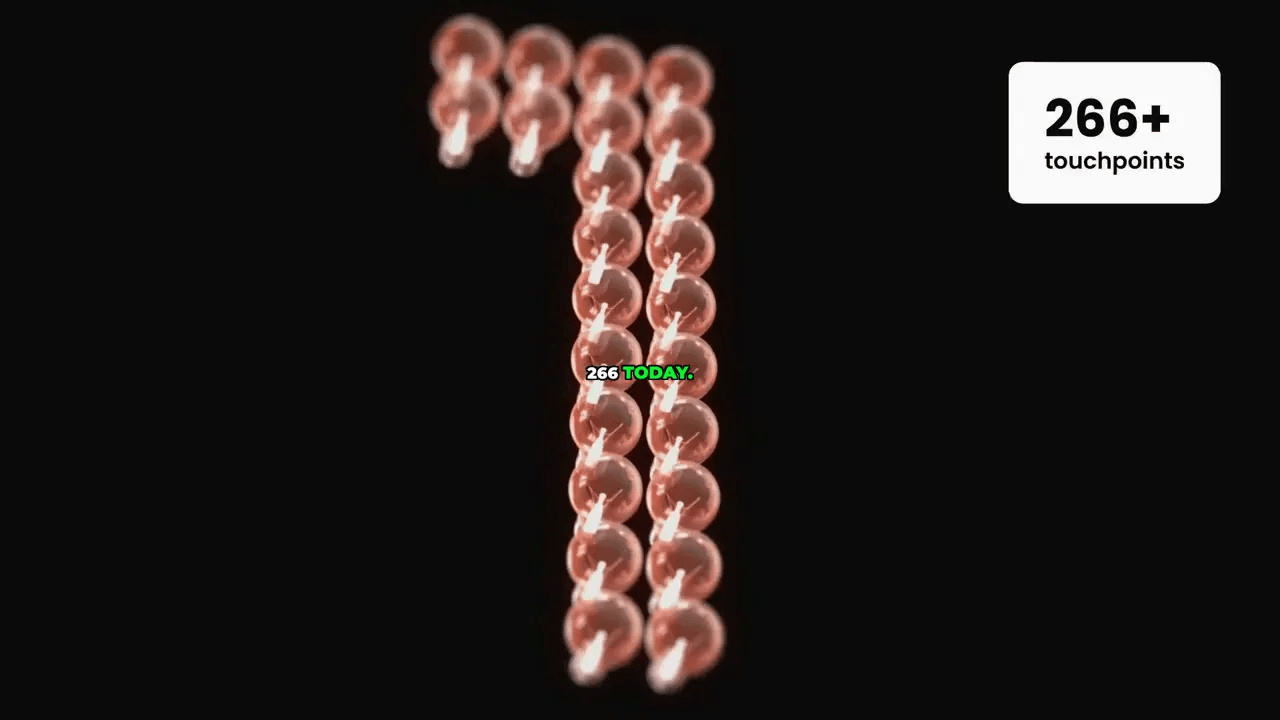
- Touch points before conversion: The average number of interactions required to convert jumped from about seven in 2010 to over 266 today. That is a huge increase in friction and follow-up required.
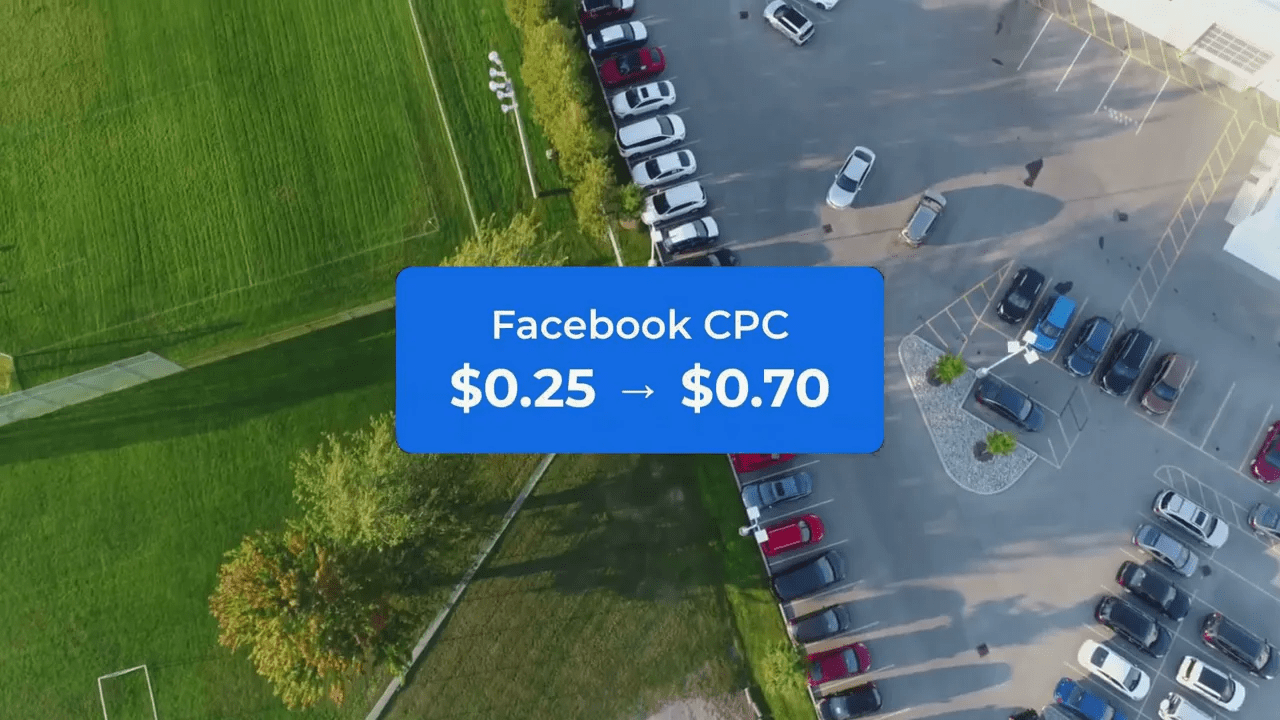
- Rising ad costs: Google and Facebook cost-per-click (and effective CPMs) rose substantially. Where bids once felt manageable, many dealerships now see costs per click and campaign spend far above historical norms.
- Conversion rate decline: Average conversion rates fell from near 6% to around 2.5% on common ad platforms.
Why those numbers matter for your bottom line
It’s tempting to blame algorithms or to double down on spend. But three behavioral and technical forces are at work:
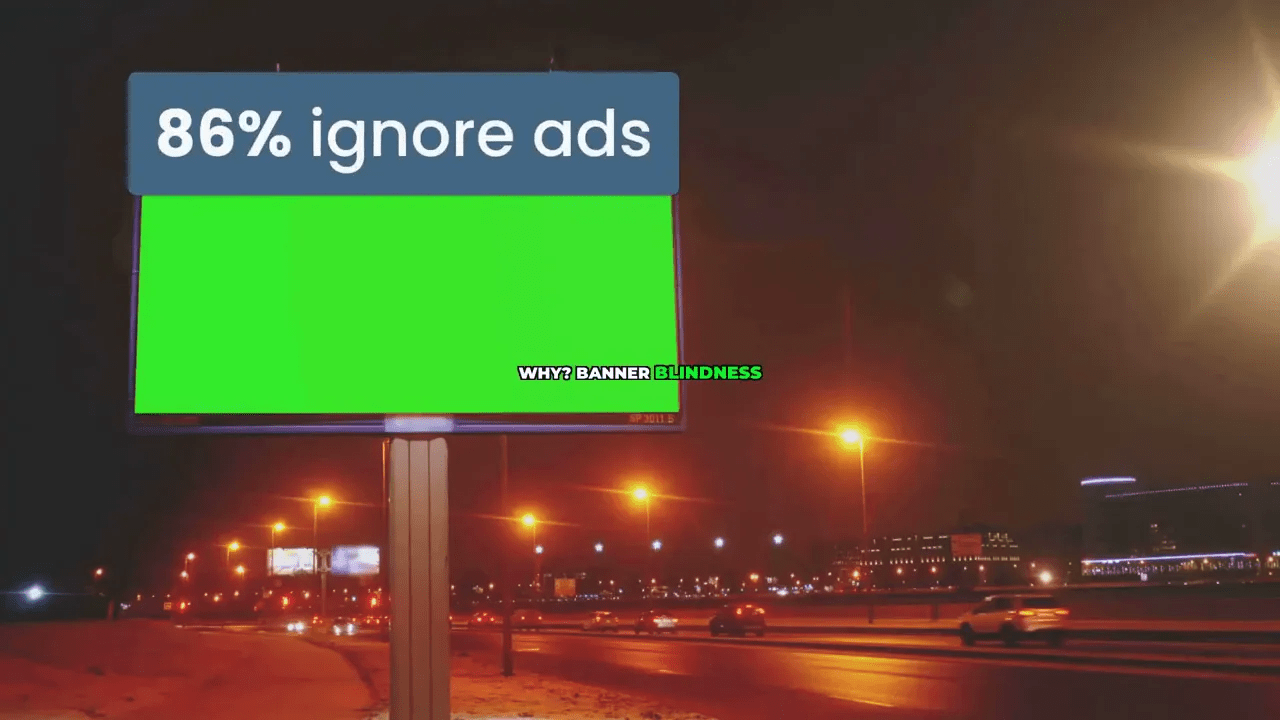
- Banner blindness: Approximately 86% of users exhibit some form of banner blindness. People intentionally or subconsciously ignore ad-like elements on pages, making many display and banner strategies ineffective.
- Attention fragmentation: Average attention spans have shortened dramatically. Consumers skim, scroll, and judge within 2.2 seconds. If your ad doesn’t provide immediate utility or relevance, it will be skipped.
- Ad fatigue: Repeated impressions alone no longer drive preference. Audiences grow weary, creative loses impact quickly, and frequency can hurt rather than help.
Where the marketing funnel broke?
Traditional funnels assumed a predictable journey: awareness, interest, consideration, decision. That model depends on a handful of meaningful touch points and consistent messaging. Today the journey is noisy and non-linear. Audiences discover a brand across dozens or hundreds of channels, interact with reviews, social posts, chatbots, search results, and indirect references. Tracking and attributing value across this web is hard, and converting those scattered signals into a qualified lead requires speed and orchestration.
Practical fixes that cut through the noise
There are concrete steps dealerships can take to stop wasting ad dollars and start generating qualified leads again. The goal is to capture intent and route it to the people who can close deals—quickly.
- Prioritize direct lead capture and immediate handoff. If an ad generates a lead, route it in real time to a salesperson or to a rapid-response channel. The faster you engage, the higher the chance the lead converts. For practical approaches to reducing lead loss and improving ad ROI, see this guide: https://www.compumagickassociates.com/2023/advertising-and-marketing/how-to-stop-losing-leads-from-your-ad-spend/
- Reduce friction at the moment of intent. Strip forms down to essentials and offer instant contact options like click-to-call or scheduled calls. Research on dealership lead losses shows small UX and process gaps cause large drops: https://www.compumagickassociates.com/2019/ecommerce/how-dealerships-in-the-u-s-lose-car-sales-leads/
- Use conversational, human-first channels. Chat, phone, or real-person video consults outperform anonymous landing pages for high-value purchases like cars. Read about tools that transform sales calls and booking experiences: https://www.compumagickassociates.com/2024/business/revolutionizing-car-dealership-sales-callpage-meetings/
- Fix poor ad funnels and creative quickly. Run small creative tests daily, not quarterly. Avoid the common Facebook ad mistakes that squander budgets: https://www.compumagickassociates.com/2017/facebook-ad-campaigns/12-facebook-ad-campaign-mistakes-you-can-avoid/
- Mind on-site interruptions. Popups and overlays can help capture leads but can also harm conversions if misused. Consider UX research before adding more interruptions: https://www.compumagickassociates.com/2024/advertising-and-marketing/do-popup-software-and-plugins-help-or-hurt-conversions-ux-study/
Tools and systems that matter
It is not enough to tweak messaging. Systems must be in place so that when an ad works, the lead becomes a sales conversation within minutes:
- Real-time lead routing to sales reps via SMS or phone.
- Click-to-call and call scheduling inside ads and landing pages.
- Integrated CRM workflows that flag high-intent leads and assign follow-up windows.
- Consistent reporting to measure cost per sale rather than cost per click.

Rethink metrics: from vanity to revenue
Stop optimizing for impressions, clicks, or reach as primary success metrics. Those can be useful secondary measurements, but the end goal is a sale. Shift to metrics that reflect commercial impact:
- Cost per qualified lead instead of cost per click.
- Response time to lead and conversion within a defined window.
- Sales-ready lead rate and close rate by channel.
Final playbook: three moves to win
Start with a short checklist you can act on this week:
- Audit how leads from every ad are captured, routed, and followed up. If leads sit in email for hours, fix that.
- Implement click-to-call or instant-schedule options on all high-intent placements. Speed beats complexity.
- Measure and report by cost per sale. Tie ad spend to revenue and adjust campaigns accordingly.
Additional reading and resources to help implement these changes:
- How to stop losing leads from your ad spend: https://www.compumagickassociates.com/2023/advertising-and-marketing/how-to-stop-losing-leads-from-your-ad-spend/
- How dealerships in the U.S. lose car sales leads: https://www.compumagickassociates.com/2019/ecommerce/how-dealerships-in-the-u-s-lose-car-sales-leads/
- Revolutionizing car dealership sales with callpage meetings: https://www.compumagickassociates.com/2024/business/revolutionizing-car-dealership-sales-callpage-meetings/
- 12 Facebook ad campaign mistakes you can avoid: https://www.compumagickassociates.com/2017/facebook-ad-campaigns/12-facebook-ad-campaign-mistakes-you-can-avoid/
- Popup UX study on conversions: https://www.compumagickassociates.com/2024/advertising-and-marketing/do-popup-software-and-plugins-help-or-hurt-conversions-ux-study/
Conclusion
Rising ad costs, banner blindness, shorter attention spans, and ballooning touch points have broken the old advertising playbook. The remedy is not simply more spend. It is a structural change: capture intent at the moment it appears, remove friction, route leads to humans fast, and measure performance by revenue outcomes. Do that and it becomes possible to cut through the noise, reverse the conversion crash, and make every ad dollar count again.
xact “text” and “url” entries for insertion.
Try The Solution Now |
|
Check out the cool solution. Connect with your site visitors in just 28 seconds. |
| TRY IT NOW |